
Ten Mistakes That Can Ruin Your First Backpacking Trip
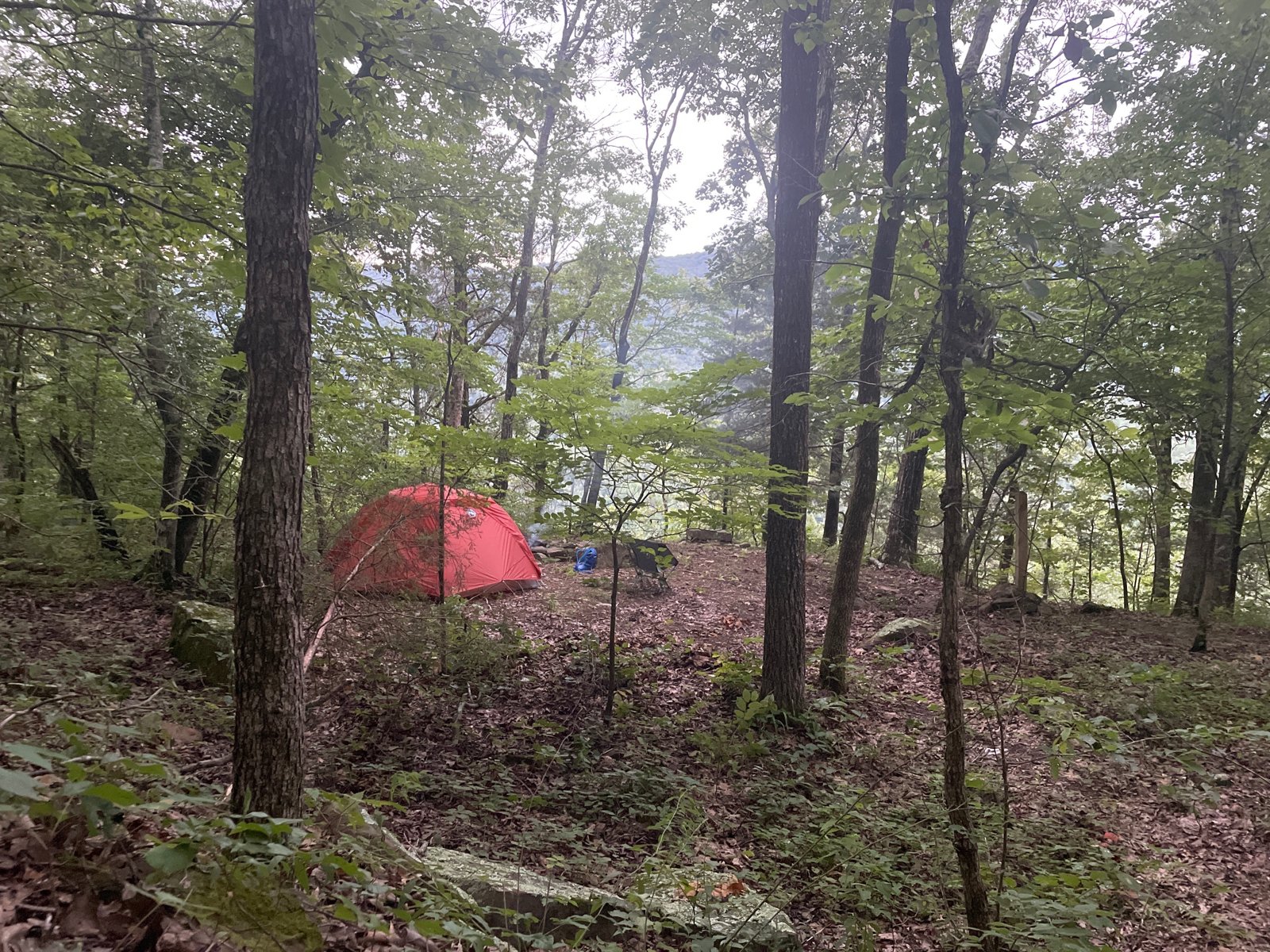
Your first night in the backcountry should feel like an adventure, not an ordeal. Most first-trip trouble comes from a few predictable mistakes: too many miles, an untested tent, no plan for water, or nobody at home who knows where you went. All of them are easy to avoid with a little planning.
The tips below are compiled from REI, the National Park Service (NPS), the Forest Service, Leave No Trace, the Appalachian Mountain Club (AMC), and the other published sources named throughout. We left out prices because they change.
1. Start short, close, and easy
Your first trip isn’t the time for a big objective. REI’s beginner guide says to “Pick a place close to home,” adding that “Just a few miles roundtrip is fine.” It suggests aiming for “a few hundred feet of elevation gain” and making sure there’s water near camp. A campsite you can find on a map, not far from the car, makes it easy to bail out if something goes wrong.
Expect slower miles than you’re used to. REI says to “Plan on shorter distances than your typical day hike because walking with a heavier pack is slower and more difficult.” The AMC’s Matt Morris notes that extra weight “will slow you down,” so account for it when planning how far you’ll hike. Give yourself time to reach camp in daylight: the NPS’s Great Smoky Mountains safety page says to “Plan to get to your campsite before dark.”
2. Let the state pages narrow it down
Start with our state trail pages. Many of the state guides have a “Quick picks” box near the top, and several include a “Shortest overnight” or “Easier overnight” pick. Each trail page lists distance, difficulty, camping details, and water in its trail facts.
A few short overnights from around the site, going by their own pages:
- Lake Maria State Park Backpack Sites in central Minnesota, where the page says most sites are about 1 to 2 miles in on wide, rolling trails.
- White Pine Backcountry Campground at Sleeping Bear Dunes, about 2 miles each way through mostly flat woods, per the NPS.
- Paint Rock Unit to Camp Hennessy in northeast Iowa, about 3 miles round trip with one short climb.
3. Check permits, reservations, and rules
Every place has its own rules, and they can catch you off guard. REI says to be sure you have “all of the necessary permits” and to “Check with the local land management agency to learn what’s required.” Some backcountry sites must be reserved ahead; others are first come, first served. The managing agency’s website or ranger station is the place to find out.
Look up two rules in particular before you go:
- Campfires. The NPS’s Ten Essentials page says to check local fire regulations. The Forest Service’s Rocky Mountain Region warns that “Fire regulations are likely in effect” and that, there, even small wood-burning stoves count as campfires.
- Food storage. The NPS says to “Always check with the parks you plan to visit to learn their regulations.” Some parks require food lockers or bear-resistant canisters, while others allow hanging food from a tree, and breaking the rules can mean fines or confiscated food.
4. Check conditions right before you go, and know when you’ll turn back
Forecasts and trail conditions change, so check them close to your start date, not just when you first plan. Leave No Trace’s first principle, Plan Ahead and Prepare, sums it up: “Check weather, regulations, and trail conditions so you’re ready for anything.” The Forest Service notes that the weather “can change quickly from sunny & warm to rainy & cold,” and it suggests calling the local office for planning help. Agency pages are also where closures show up.
Decide your turnaround plan before you leave the car. REI says, “don’t hesitate to cancel or turn back if a storm moves in.” A short trip close to the trailhead makes that an easy call. If your route crosses a creek, our water crossing tips cover when to wait and when to skip it.
5. Leave a trip plan with someone
Tell someone where you’re going, which trailhead you’ll use, where you’ll camp, and when you expect to be back. REI says to “Include details about where you’re going and when you expect to be back.” The NPS’s Great Smoky Mountains page goes a step further: “Always leave your itinerary with a reliable person who is not on your trip and who will report you overdue if necessary.” Agree ahead of time on when they should call for help if they haven’t heard from you.
The same Smokies page advises against leaving a note on your car that says where you’re hiking and for how long.
6. Pack the Ten Essentials
The NPS lists ten categories to carry: navigation, sun protection, extra clothing, illumination, first-aid supplies, fire, a repair kit and tools, nutrition (extra food), hydration (water and treatment), and emergency shelter. The point, according to the NPS, is to be ready for minor injuries, sudden weather changes, or unexpected emergencies.
The NPS adds that “You may need additional items depending on the activity,” such as bug spray or a two-way satellite messenger.
7. Borrow or rent the big gear, then test everything at home
GearJunkie describes the “big three” as your backpack, your tent, and your sleep system (sleeping bag and pad). For most hikers, it says, they’re the heaviest and largest items you carry, so they have the biggest effect on pack weight. They’re also the priciest, which is why REI suggests keeping your “initial investment low by borrowing or renting the priciest items.” The AMC’s Morris says to look at what you already have and what you could borrow.
When you’re ready to buy, our roundups of tents, sleeping bags, and sleeping pads summarize what independent reviewers like. If you sleep on your side, see our side sleeper tips too.
Whatever you bring, try it before the trip. REI says to “Pitch your tent, fire up your stove and filter some water before you go,” and to take a loaded pack on a long test hike. Liz Thomas suggests a “mock overnighter”: hike a few miles with your full pack, set up camp, cook a meal, and head home the same day. She says this keeps things “low commitment, non-scary.” SectionHiker’s Philip Werner calls these shakedowns a “low pressure setting” to practice, and one reader there says they do first shakedowns with new gear in the backyard.
8. Plan your water, and treat all of it
Know where your water will come from before you go. REI says to make sure there’s water near camp and to “double check with local land managers before relying on a small water source.” The AMC’s Morris suggests finding the closest water source to your tent site while you plan, and bringing “more food and water than you think you’ll need.” Carry enough to get from one reliable source to the next.
Then treat it, even if it looks clean. The CDC says water containing germs “sometimes looks clean,” and that “Drinking water straight from a clear mountain stream is generally not safe.” It describes boiling, filtering, and chemical disinfection as treatment options. REI’s advice is simple: “treat all water in the wilds.”
9. Keep meals simple, and store food away from animals
For one night, REI says to plan for “dinner, breakfast and a couple of lunches,” to skip canned food because it’s heavy, and to bring energy bars and trail mix for the day. Practice cooking your dinner at home first. Our posts on camp stoves and camp meals cover what reviewers like.
At night, store food where animals can’t get it. The NPS says bears “consider anything with a scent to be ‘food,’” including toiletries, sunscreen, trash, and bug repellent, so store those too. The AMC’s Morris suggests keeping food “FAR away from the campsite, ideally at least 200 feet away.” Follow the local rule first, whether that’s a canister, a locker, or a hang.
10. Leave no trace
Leave No Trace’s seven principles are a good checklist for any trip: plan ahead and prepare, travel and camp on durable surfaces, dispose of waste properly, leave what you find, minimize campfire impacts, respect wildlife, and be considerate of others. In the group’s own words, “Pack it in, pack it out,” including food scraps, and “Use a stove when you can, and keep fires small, contained, and legal.”
For bathroom needs, the Forest Service’s Rocky Mountain Region says to dig a cat hole at least 6 inches deep and “at least 100 steps from water.” Check what the agency where you’re going recommends.
Take it slow, keep it short, and remember what worked. The second trip is always easier.