
Trails / Florida / Ocala National Forest
Florida Trail: Juniper Springs to Hidden Pond (Juniper Prairie Wilderness)
Juniper Prairie Wilderness, Ocala National Forest (Juniper Springs Recreation Area, east of Silver Springs)
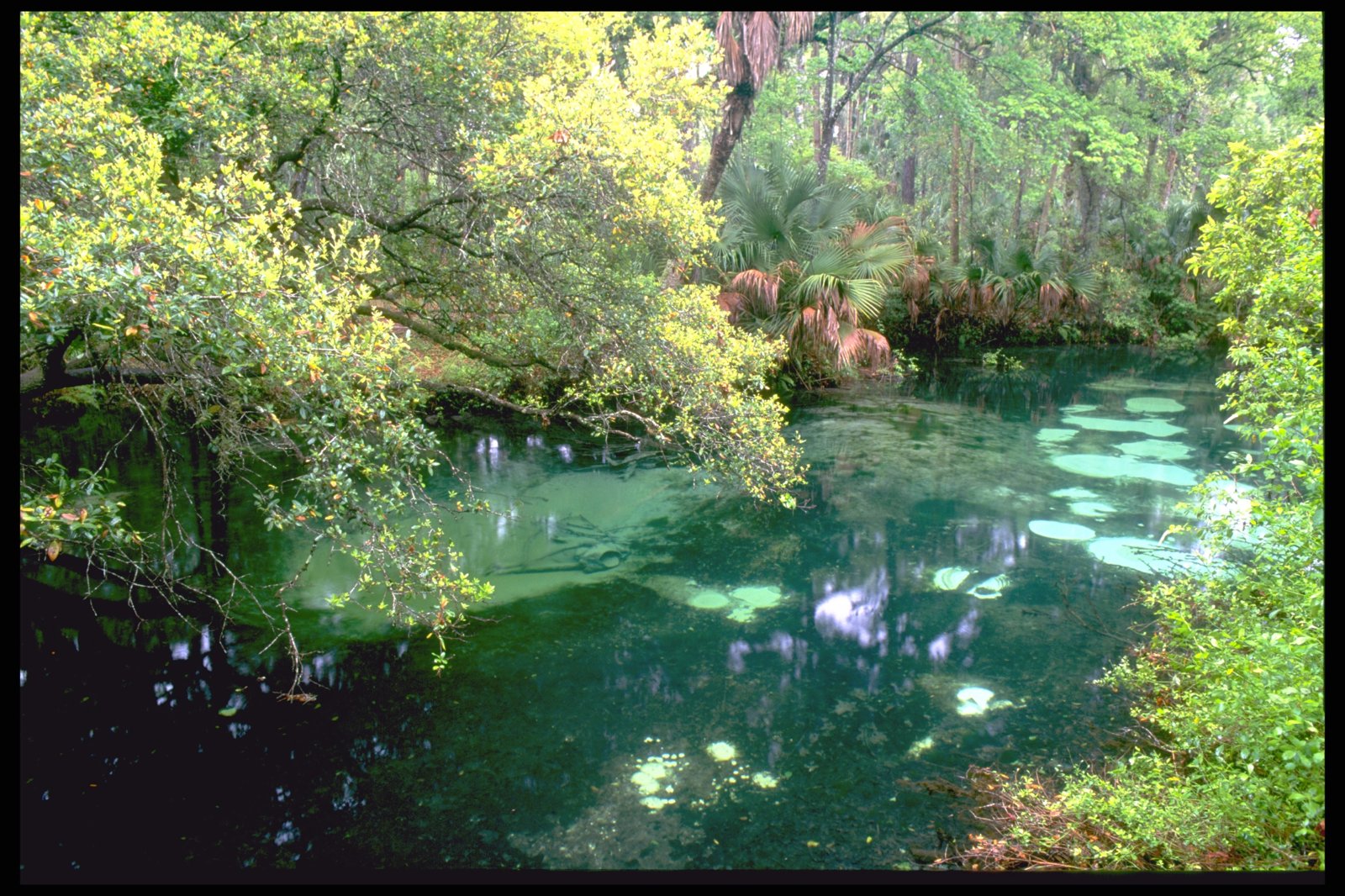
The Juniper Prairie Wilderness sits in the heart of the Ocala National Forest’s Big Scrub, which the Florida Trail Association calls the world’s largest sand pine scrub forest. The Florida Trail cuts across its center from Juniper Springs, reaching Hidden Pond, a spring-fed oasis and the area’s most popular backcountry campsite. Florida Hikes calls this one of the most popular hikes on the Florida Trail and one of the more important destinations for overnight trips.
It’s a no-hunting zone, so you can camp here year-round. But bears are a serious concern at Hidden Pond.
The hike
Wikipedia says the wilderness was established in 1984 and covers about 13,260 acres, forming the drainage basin for the Juniper River, whose headwaters at Juniper Springs are a first-magnitude artesian spring. Matt Benson notes that motorized vehicles, equipment, and hunting are all prohibited, and the only way in is on foot.
The Florida Trail Association’s segment map describes the route from Juniper Springs: follow the trail west from the park entrance road, passing Whispering Creek and Whiskey Creek, to Hidden Pond, then on past two junctions with the Yearling Trail to the Pat’s Island Trailhead, 8.9 miles from Juniper Springs. It notes the area has no roads. The Armchair Explorer gives the round trip from Juniper Springs to Hidden Pond as about 12 miles.
The Florida Hikes guide to the shorter approach from Pat’s Island describes an 8.4-mile round trip entirely inside the wilderness, past a large “Juniper Prairie Wilderness” sign. It says the hike ties together Pat’s Island, once a pioneer village, and Hidden Pond.
The history is part of the draw. Wikipedia says Patrick Smith settled the area in the 1840s, giving Pat’s Island its name, and Reuben Long’s family homesteaded there in 1872. The Armchair Explorer says the last residents, Mary and Calvin Long, left in 1935, after author Marjorie Kinnan Rawlings visited and recorded their stories. Florida Traveler notes the Yearling Trail explores the history of these pioneer families.
The landscape is varied. The Armchair Explorer describes longleaf and sand pine scrub, prairie, swamp hardwoods, sawgrass meadows, marshes, and subtropical palm jungles. Florida Hikes notes that scrub habitat is resilient, and Wikipedia shows post-fire regrowth.
Bears are the main concern. Florida Hikes says a bear bag or bear canister is required for backpackers in the Ocala National Forest, and that there have been many bear incidents centered around Hidden Pond. It says the Florida Trail Association has partnered with the Forest Service and a Salt Springs outfitter to offer free loaner bear canisters. A TripAdvisor reviewer says the area sometimes closes because of bear activity and hikers leaving food in their tents.
Matt Benson describes five established parking areas and trailheads around the wilderness, including Juniper Springs, and notes that although hunting isn’t allowed, he has occasionally run into campers firing guns carelessly, so stay alert. Florida Rambler says Juniper Springs Recreation Area has 79 campsites for a developed night before or after.
The hunting rules make this wilderness valuable in fall. Florida Hikes and Florida Rambler say that during general gun (deer) season, dispersed camping is prohibited elsewhere in the forest but still allowed in the Juniper Prairie Wilderness.
For another Florida Trail section, see the Florida Trail through Big Cypress.
Tips
- Bring a bear canister or bear bag. Florida Hikes says one is required, and Hidden Pond has had many bear incidents.
- Carry water. The Armchair Explorer suggests bringing your own.
- Camp here during deer season. It’s a no-hunting zone where dispersed camping stays open.
- Visit midweek. A TripAdvisor reviewer recommends weekdays for fewer crowds.
- Check trail conditions. Some older reviews mention closed trails near Juniper Springs.
Camping
Dispersed camping is allowed throughout the Juniper Prairie Wilderness year-round, including during the fall deer hunting season, when it’s restricted elsewhere in the forest. The Florida Trail Association lists Hidden Pond as a designated campsite and Juniper Springs Recreation Area as a developed campground option. Food must be stored in a bear bag or canister.
Inside Intel: Hidden Pond is the place, but plan for company. Matt Benson says it’s the most popular primitive camping location in the wilderness, and that very few people camp anywhere other than Hidden Pond or Juniper Springs. He recommends reaching it by the Florida Trail on a first visit. Store food carefully, since Florida Hikes says bear incidents have centered on Hidden Pond.
Trail facts
- Distance: About 12 miles round trip from Juniper Springs to Hidden Pond; 8.9 miles one way to Pat’s Island Trailhead
- Route type: Out and back, or point to point
- Difficulty: Easy to moderate
- Campsites: Dispersed; Hidden Pond is the popular site
- Water: Limited; Hidden Pond is spring-fed. Treat all water.
- Permits: None found
- Bear and food storage: Bear bag or canister required (Florida Hikes)
- Hunting: None in the wilderness
- Trailheads: Juniper Springs Recreation Area (SR 40); Pat’s Island Trailhead (off SR 19)
- Last verified: October 2, 2026
Where this comes from
This page draws on the sources below, along with other guides and trip reports. Links go to the original pages.
- Florida Trail Association: Juniper Prairie Wilderness segment map (PDF)
- Florida Hikes: Florida Trail, Ocala
- Florida Hikes: Florida Trail, Pat’s Island to Hidden Pond
- Florida Hikes: Ocala National Forest
- Wikipedia: Juniper Prairie Wilderness
- Matt Benson: Primitive Camping in Juniper Prairie Wilderness
- The Armchair Explorer: Juniper Prairie Wilderness
- Florida Traveler: Ocala National Forest camping
- Florida Rambler: Ocala National Forest camping
Before you go: This page is based on published trail guides, trip reports, and reviews, along with official park and agency information where we could find it. It’s meant to help backpackers discover new trails, not to replace current, official information. Conditions, closures, permits, campsites, and water sources change, and some details here may be out of date or wrong. Confirm everything with the managing agency and check current conditions before you head out, and don’t rely on this page alone for safety or navigation. Backcountry travel involves risk.