
Waterproof Hiking Shoes: When They Help and When They Backfire
A waterproof membrane keeps a puddle out. It can also keep a lot of things in.
This post contains affiliate links. If you buy through them, we may earn a commission at no extra cost to you. As an Amazon Associate we earn from qualifying purchases.
Waterproof hiking shoes make a simple promise: dry feet. On a dewy morning or a muddy spring trail, they can keep it. On a long, warm trip with a few creek crossings, many backpackers find their feet wetter in waterproof shoes than out of them.
The difference comes down to one thing most people don’t think about at the store: where the water is coming from. A waterproof membrane is very good at stopping water that arrives from outside, a little at a time. It does nothing about water that pours in over the top, and it slows down the water your own feet make. Treeline Review sums up where most long-distance hikers land: “Most thru-hikers prefer non-waterproof shoes.” It also says “waterproofing genuinely is worth it in cold shoulder-season hiking.” Both are true, and the rest of this post explains when. The picks come from published tests by Treeline Review, Switchback Travel and others, named throughout. Prices change too often to list here, so check the current price before you buy.
- Best for most three-season tripsAltra Timp 6: a breathable trail runner that Treeline says grips wet rock and dries fairly quickly after crossings. Check the price on Amazon
- Best waterproof shoeSalomon XA Pro 3D V9 GTX: a Treeline winner that passed its river test and breathes better than most waterproof shoes. Check the price on Amazon
- Best budget waterproof bootMerrell Moab 3 Mid Waterproof: Treeline's budget winner, comfortable out of the box. Check the price on Amazon
- Best waterproof sockSealskinz Dunton: Treeline's best overall waterproof sock, dry in steady rain. Check the price on Amazon
- Best budget waterproof sockRANDY SUN Ultra Thin Mid Length: Treeline's budget pick, thin enough for warm, humid weather. Check the price on Amazon
When waterproof shoes help
Cold weather. This is where waterproofing earns its keep. Andrew Skurka, one of the membrane’s sharpest critics, still says in the comments of his 2016 post that in sub-freezing weather, waterproof-breathable and treated leather boots “work okay,” keeping your feet drier, and so warmer, “so long as the snow is not melting like it’s June.” SectionHiker agrees that waterproof shoes “are good for hiking in cold weather,” and Treeline makes the same call for cold shoulder seasons.
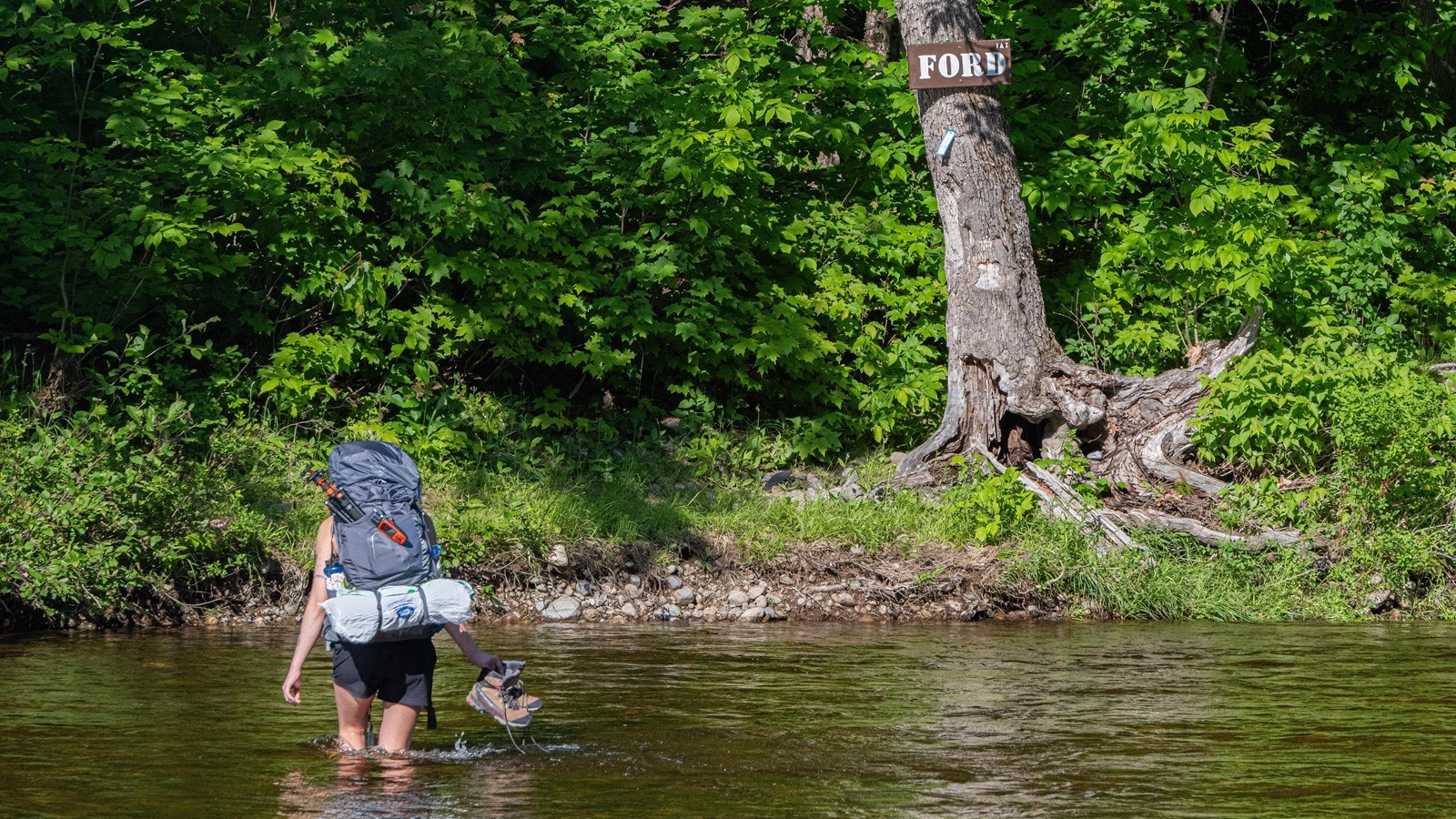
Wet that arrives a little at a time. Dewy grass, overnight drizzle, puddles and the odd splash are what a membrane handles well. In a recent T3 piece on Gore-Tex, the writer notes that a mesh upper “might still let in some moisture” on damp mornings, and that keeping your socks dry is the whole point of waterproof footwear. Treeline’s XA Pro tester says the membrane keeps out rain and splashes, “so long as you don’t overstep into a creek.”
When they backfire
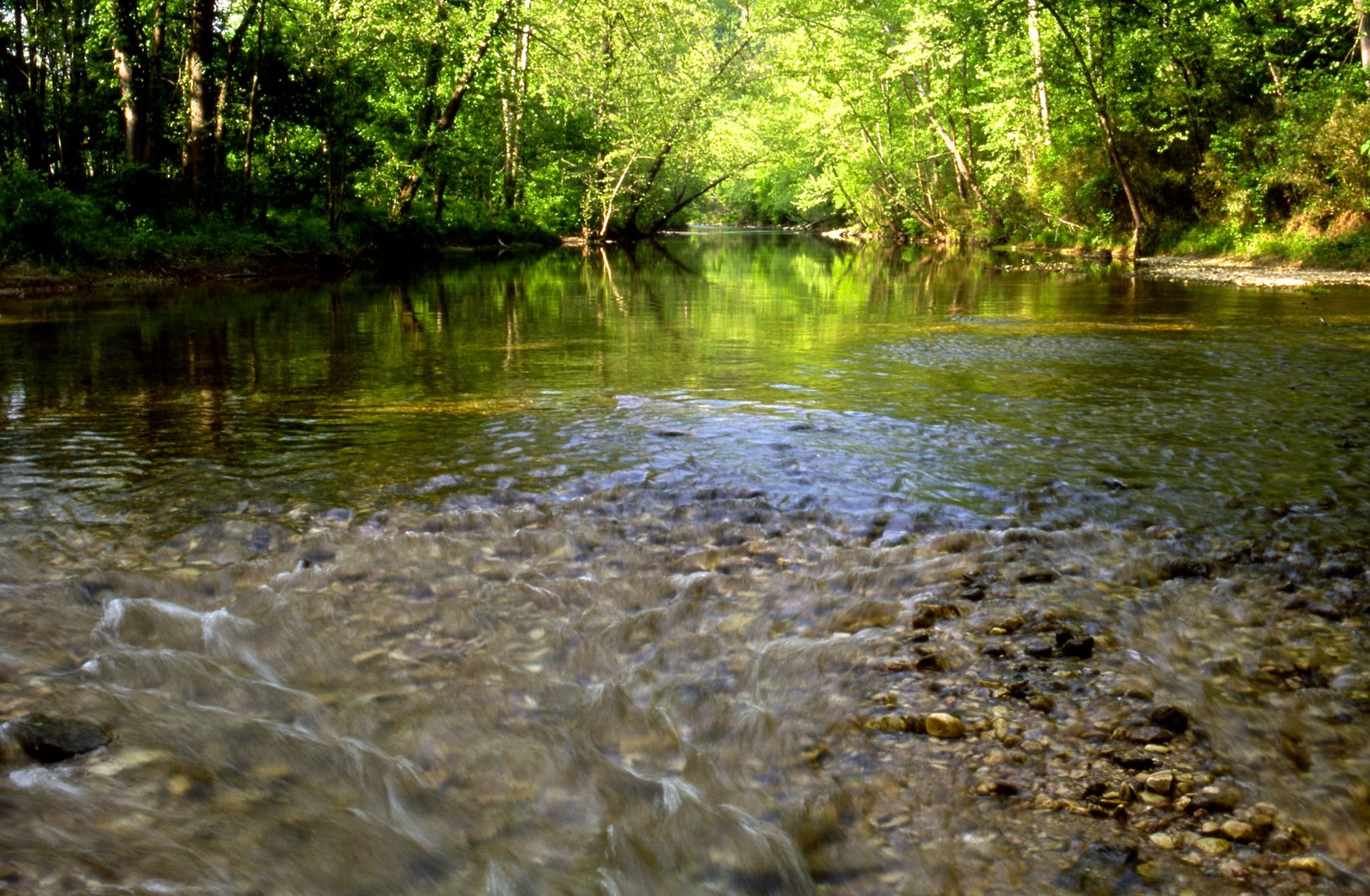
Water comes in over the top. A membrane “cannot stop water entering through the opening around your ankle,” T3 notes. Skurka puts it plainly: “External moisture easily enters through the top of the shoe.” One Treeline tester’s waterproof Moabs stayed dry inside until “the water rushed over my ankles and down my boot.” Once that happens, you have wet socks inside a shoe built to keep water from moving through it.
Your feet sweat. “In dry conditions, waterproof shoes trap excessive perspiration and body heat,” Skurka writes, which makes blisters more likely. T3 adds that a membrane “won’t stop your feet from getting damp from sweat” on hard efforts. Even in Treeline’s well-ventilated XA Pro, “the heat builds more quickly than in a non-GTX model.”
They’re slow to dry. “After getting wet, waterproof shoes dry very slowly,” Skurka says, and SectionHiker agrees that they “tend to dry much more slowly than non-waterproof footwear.” There’s some nuance here: a light waterproof shoe still dries faster than a heavy waterproof boot. But across a long trip, Treeline’s advice holds: “Feet will get wet eventually, and a shoe that dries fast is more useful across a long trail.”
The membrane doesn’t last forever. Skurka notes that water can get through the membrane itself once the water-repellent coating on the outside wears off.
Put together, the honest summary is that waterproof shoes are excellent at keeping a little water out and poor at getting a lot of water back out. For most three-season backpacking, especially warm trips with real creek crossings, breathable shoes that drain and dry are the better bet. (If you’re still deciding between boots and trail runners in the first place, that question has its own three deciding factors.)
The middle path: breathable shoes, waterproof socks
For cold, wet trips, there’s a third option. In his comments, Skurka suggests pairing breathable shoes with “a neoprene sock, a thick wool sock, or maybe even a WPB sock.” Your shoes still drain and dry, and the sock keeps your foot warmer and drier in the meantime.
Treeline Review’s waterproof sock guide likes them, with limits: “Waterproof socks are a niche piece of gear, but in the right conditions they can make the difference.” They’re “not an everyday replacement for wool hiking socks,” and they “can’t stop water from pouring in over the cuff if you wade too deep.”
A quick way to decide
- Cold, snowy or shoulder-season trips: waterproof shoes or boots make sense.
- Warm trips, long trips, or trips with deep crossings: breathable shoes that drain and dry fast.
- Cold, wet trips in breathable shoes: add waterproof socks for the coldest, wettest days.
Nobody’s feet stay perfectly dry on a wet trip. The goal is warm feet that dry out by morning.
Picks for the waterproof side
Salomon XA Pro 3D V9 GTX. Treeline Review calls it “stable, supportive, and competitively lightweight for a hiking shoe,” and its pairs passed a two-minute river test. Breathability is “above average for a waterproof shoe,” thanks to the mesh upper. Switchback Travel’s tester says it “kept my feet perfectly dry in swampy conditions” and dried noticeably faster than a thicker, cushioned boot. There’s a non-waterproof version too, which Treeline suggests for hot weather. The catch: the ride is firm, heat builds faster than in the non-waterproof model, and a soaked pair dries “a little slower” than shoes with tighter mesh. Switchback calls it “a true tweener: heavier and stiffer than most trail runners and not as durable or stable as low-top hiking shoes.”
Merrell Moab 3 Mid Waterproof. It’s Treeline’s budget winner and a reader favorite. Its tester found it comfortable almost immediately out of the box, “a rarity for many boots,” and calls it “perfect for those looking for their first boot.” It uses Merrell’s own waterproof membrane, not Gore-Tex, and the tester found it as waterproof as an older pair of Gore-Tex Moabs, with a quick dry time in summer sun. Shopping for women’s sizes? Here’s the women’s Moab 3 Mid Waterproof. The catch: traction is the weak spot, and the tester found the sole slippery on creek crossings and slick shale. The boots are “still fairly warm during summer hiking,” and like any waterproof boot, they won’t help once water tops the ankle.
Pick for the breathable side
Altra Timp 6. Treeline Review’s trail runner guide says the Timps are “good on wet rocks and dry out fairly quickly after water crossings.” In its full review, the “very breathable mesh upper” breathes “very well in hot conditions,” and the Megagrip sole “grips wet rocks during stream crossings and in rainy conditions.” Treeline’s tester wore it for ten straight 12-plus-hour days on the Ouachita Trail and calls it “extremely comfortable to wear all day.” Treeline tested both the men’s and the women’s version. The catch: it’s zero-drop, which “isn’t for everyone,” sizing is inconsistent with no wide option, and it isn’t warm. For cold weather, Treeline points to the waterproof version.
Picks for the middle path
Sealskinz Dunton. Treeline Review’s best overall waterproof sock “kept my feet dry during steady-rain hiking, dried quickly,” and is more breathable than the Bridgedale StormSock, Treeline’s pick for hiking. Because the waterproofing is a built-in membrane, you don’t need to re-treat it. Treeline calls it “ideal for hiking and backpacking.” The catch: it’s “much less padded and cushioned” than a normal hiking sock, and like any waterproof sock, it can’t stop water coming over the cuff.
RANDY SUN Ultra Thin Mid Length. Treeline’s budget pick is “super ultralight and thin, ideal for adventures in hot and humid weather,” and comfortable without a liner. It’s a low-cost way to find out whether waterproof socks suit you. The catch: Treeline found it “not as water resistant as other models,” slower to dry than the Bridgedale, and less durable because of its thinner build.
The bottom line
For most three-season backpacking, breathable shoes that drain and dry fast, like the Altra Timp 6, beat waterproof ones. If you hike in the cold, in snow or in the shoulder seasons, waterproofing earns its place, and the Merrell Moab 3 Mid Waterproof is an affordable way to get it. Somewhere in between? A pair of waterproof socks covers the cold, wet days without giving up the breathable shoes.