
Trails / Georgia / Georgia Coast
Cumberland Island Wilderness Campsites (Hickory Hill, Yankee Paradise, Brickhill Bluff)
Cumberland Island National Seashore, National Park Service (ferry from St. Marys)
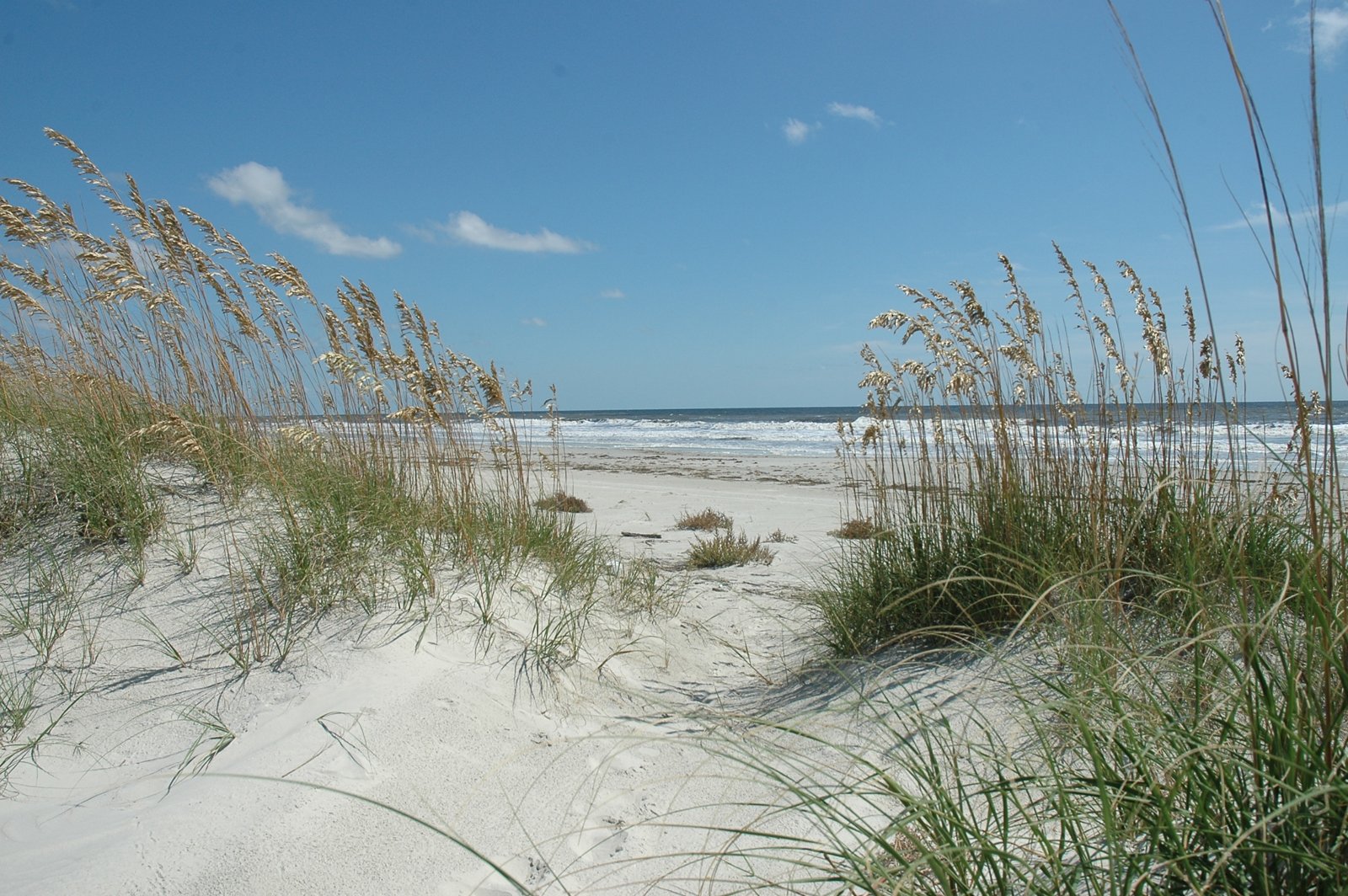
Rad Family Travel calls Cumberland Island Georgia’s biggest barrier island, and it’s a national seashore most visitors reach by ferry. Beyond the developed campgrounds near the ferry dock, three wilderness campsites, Hickory Hill, Yankee Paradise, and Brickhill Bluff, are spread up the island 5.5 to 10.5 miles from the dock. You carry everything in.
Planning takes two reservations, one for the campsite and one for the ferry, and the wilderness closes during the island’s managed hunts.
The hike
The trip starts on the mainland. Recreation.gov says most visitors arrive by the Cumberland Island Ferry from St. Marys and must check in at the Cumberland Island Mainland Visitor Center at least 30 minutes before departure. NP Plan says all campers arrive at the Sea Camp dock, the ferry’s second stop. The NPS says campers with reservations at Stafford Beach, Hickory Hill, Yankee Paradise, or Brickhill Bluff should plan on backpacking all their gear to their sites.
Explore Georgia gives the distances from Sea Camp: Hickory Hill at 5.5 miles, Yankee Paradise at 7.5, and Brickhill Bluff at 10.5. It says camping is limited to seven days and that spring and late fall are peak seasons.
Hickory Hill is the closest. NP Plan recommends reaching it on the Parallel Trail, since the campsite sits near the junction with the Willow Pond Trail, and warns against reaching it by the Willow Pond Trail from Grand Avenue, the main park road, because that route is often underwater or extremely muddy. Rad Family Travel says Hickory Hill is the highest point on the island. The Cumberland Island Ferry describes it as offering a close encounter with an interior freshwater wetland and its wildlife.
Yankee Paradise sits farther north. The Dyrt describes a wooded, mid-island site reached by a sandy road that becomes the Duck House Trail from Plum Orchard landing, with dirt and sand underfoot and a short walk to the ocean side. It warns there may not be enough breeze to keep insects away. The ferry site calls it a half day’s walk to and from Plum Orchard Mansion.
Brickhill Bluff is the farthest, and The Dyrt lists it as the most popular campground in the area. Rad Family Travel calls it a true 10.5-mile hike from the Sea Camp dock, on the back side of the island right on the Brickhill River. The ferry site notes it has non-potable water.
Water and food take planning. The NPS says to treat water at all wilderness campgrounds. The ferry site says non-potable water is about a mile from both Hickory Hill and Yankee Paradise, and NP Plan says there’s drinkable tap water at an outdoor spigot on Plum Orchard Mansion. NP Plan also says no food is available anywhere on the island.
The rules are firm. The NPS says campfires aren’t allowed at the wilderness sites, that you must have a reservation to camp, and that the wilderness area and its campsites close during managed hunts. NP Plan notes that after making a reservation, you must print your camp permit.
For another coastal backpacking trip, see St. Marks National Wildlife Refuge in Florida.
Tips
- Book the campsite and the ferry. They’re separate reservations.
- Check for managed hunts. The NPS closes the wilderness during them.
- Bring all your food. There’s none available on the island.
- Treat all water. Wilderness water is non-potable; Plum Orchard has a tap.
- Use the Parallel Trail to Hickory Hill. The Willow Pond route is often flooded.
Camping
The NPS says Cumberland Island has five campgrounds: designated sites at Sea Camp and Stafford Beach, and wilderness campsites at Hickory Hill, Yankee Paradise, and Brickhill Bluff. Reservations are required on Recreation.gov, and campfires aren’t allowed at the wilderness sites. Explore Georgia says camping is limited to seven days.
Inside Intel: Brickhill Bluff is the long-haul pick, and The Dyrt ranks it the most popular nearby campground. Rad Family Travel says it’s right on the Brickhill River on the back side of the island, a true 10.5 miles from the dock. Hickory Hill, at 5.5 miles, is the easiest wilderness site, and NP Plan’s advice is to approach it on the Parallel Trail. At Yankee Paradise, The Dyrt suggests packing water and insect repellent.
Trail facts
- Distance: About 21 miles round trip to Brickhill Bluff (5.5 miles one way to Hickory Hill; 7.5 to Yankee Paradise)
- Route type: Out and back from the Sea Camp dock
- Difficulty: Moderate; sandy trails
- Campsites: Hickory Hill, Yankee Paradise, Brickhill Bluff (wilderness); Sea Camp and Stafford Beach (designated)
- Water: Non-potable at wilderness sites; treat all water. Tap water at Plum Orchard (per NP Plan).
- Permits: Campsite reservation (Recreation.gov) and ferry reservation
- Fires: Not allowed at wilderness sites
- Closures: Wilderness closed during managed hunts
- Access: Ferry from St. Marys to the Sea Camp dock
- Last verified: October 2, 2026
Where this comes from
This page draws on the sources below, along with other guides and trip reports. Links go to the original pages.
- National Park Service: Cumberland Island Camping
- Recreation.gov: Cumberland Island National Seashore Camping Permits
- Explore Georgia: Cumberland Island National Seashore Camping
- Cumberland Island Ferry: Camping
- NP Plan: Cumberland Island camping
- NP Plan: Hickory Hill campsite
- The Dyrt: Yankee Paradise Wilderness Campsite
- The Dyrt: Camping near Cumberland Island
- Rad Family Travel: Cumberland Island National Seashore
Before you go: This page is based on published trail guides, trip reports, and reviews, along with official park and agency information where we could find it. It’s meant to help backpackers discover new trails, not to replace current, official information. Conditions, closures, permits, campsites, and water sources change, and some details here may be out of date or wrong. Confirm everything with the managing agency and check current conditions before you head out, and don’t rely on this page alone for safety or navigation. Backcountry travel involves risk.