
Umbrella, Poncho or Budget Shell: Rain Gear for the Rest of Us
A pricey rain shell isn't the only way to stay dry, and on some trips it isn't even the best one.
This post contains affiliate links. If you buy through them, we may earn a commission at no extra cost to you. As an Amazon Associate we earn from qualifying purchases.
Most backpackers don’t need a top-of-the-line rain shell. That was the point of the case against overbuying a rainshell, and it raises the next question: if not that, then what?
There are three honest answers. An umbrella, a poncho or a budget jacket can all keep you reasonably dry for a fraction of the price. Each has a catch, and the right one depends on where you hike and how hard it rains there. Everyone gets wet eventually. The goal is getting wet less, and staying warm when you do. Prices change too often to list, so check the current price before you buy.
- Best budget jacketMarmot PreCip Eco: CleverHiker calls it "well worth the money for an entry-level coat." Check the price on Amazon
- Cheapest way to stay dryFrogg Toggs Ultra-Lite2 Rain Suit: one reviewer says it kept the rain out in a thunderstorm. Check the price on Amazon
- Best hiking umbrellaSix Moon Designs Silver Shadow: Treeline Review's best overall umbrella. Check the price on Amazon
- Best for windy trailsRepel Windproof Travel Umbrella: "the most durable umbrella we tested," says Treeline. Check the price on Amazon
- Best compact umbrellaSix Moon Designs Silver Shadow Mini: folds to about 10 inches, per Treeline. Check the price on Amazon
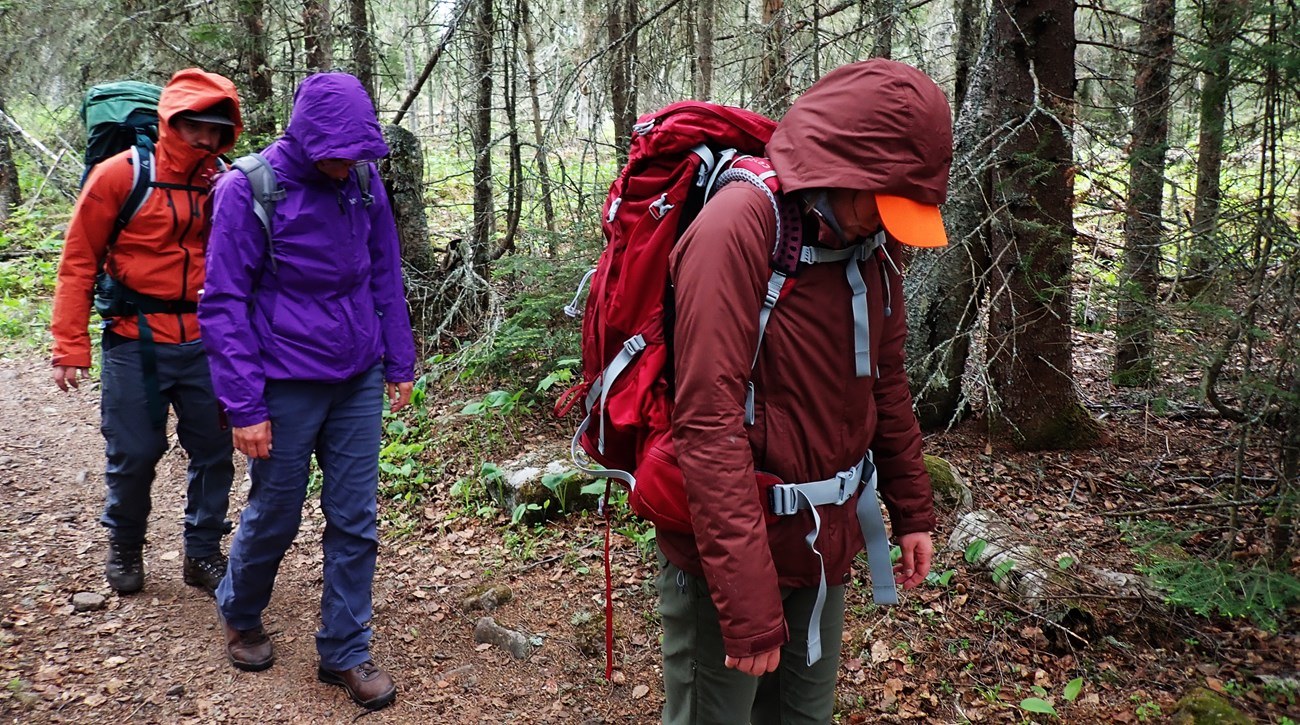
The umbrella: best in warm, muggy rain
An umbrella looks a little silly on a backpacking trail until the first humid downpour, when everyone in a rain jacket starts steaming like a kettle.
Andrew Skurka says umbrellas shine in “Warm or hot temperatures” and “High humidity,” and that “nothing rivals the ventilation of an umbrella.” They also make shade, which matters on hot, exposed stretches. Treeline Review adds two less obvious benefits: an umbrella keeps rain off your jacket, which slows how fast it wets out, and it helps cut the chill that rain brings. In warm rain, it can replace rain gear that feels “swampy.”
The catches are real:
- Wind. Skurka gets annoyed by the drag, and Treeline notes hiking umbrellas can flip inside out in high wind. Steeper canopies and flexible fiberglass ribs help.
- Brush and rough trail. Treeline found that every full-length umbrella it tested caught on branches, and Skurka sees umbrellas as a better fit for well-kept trails, like eastern forest trails, than for rough or overgrown ones.
- Your hands and legs. You’ll hold it in one hand, so you’re down a trekking pole, and Treeline points out it won’t protect your legs in a heavy downpour.
- Lightning. Treeline is direct: never use a hiking umbrella during a thunderstorm. If a storm is coming, get off exposed terrain and head for lower ground. Skurka puts his away in lightning too.
The poncho: airy and cheap, but wind is its weak spot
A poncho is about as simple as rain gear gets. In a Backpacking Light article, Drew Smith notes that ponchos are “well-ventilated by the nature of their design,” “genuinely waterproof” because the fabric is, and usually free of zippers that can fail. Many also double as a pack cover, ground cloth or emergency tarp.
The downsides show up in wind and rough terrain. Backpacking Light staffers note that ponchos “impede movement when in rough terrain” and leave your arms exposed, and forum commenters add that they snag on brush and catch the wind. The article and comments point to the same sweet spot: mild weather below treeline. In cold, windy weather or above treeline, a jacket is easier to manage. Smith’s fix for flapping is a simple belt of about 6 feet of thin shock cord and a cord lock, worn around the hips under your pack. In his words, “Your poncho will still flap, but to a much more tolerable degree.”
None of the independent testers read for this post has run a recent head-to-head poncho test, so there’s no poncho pick below. If you want to try one, the Sea to Summit Ultra-Sil Nano Tarp Poncho is the one a Backpacking Light staffer used and liked for its double duty as a tarp.
The budget shell: the safe middle
A budget jacket covers the widest range of trips. It handles wind better than an umbrella or poncho, keeps your arms dry and leaves both hands free.
What you give up is mostly breathability and durability. Testers agree that cheaper shells hold sweat more and wear faster. CleverHiker’s top overall rain jacket, the Patagonia Torrentshell 3L, is a solid upgrade if you want one shell for everything, though it isn’t linked here because Amazon doesn’t carry it.
Which one fits your trips?
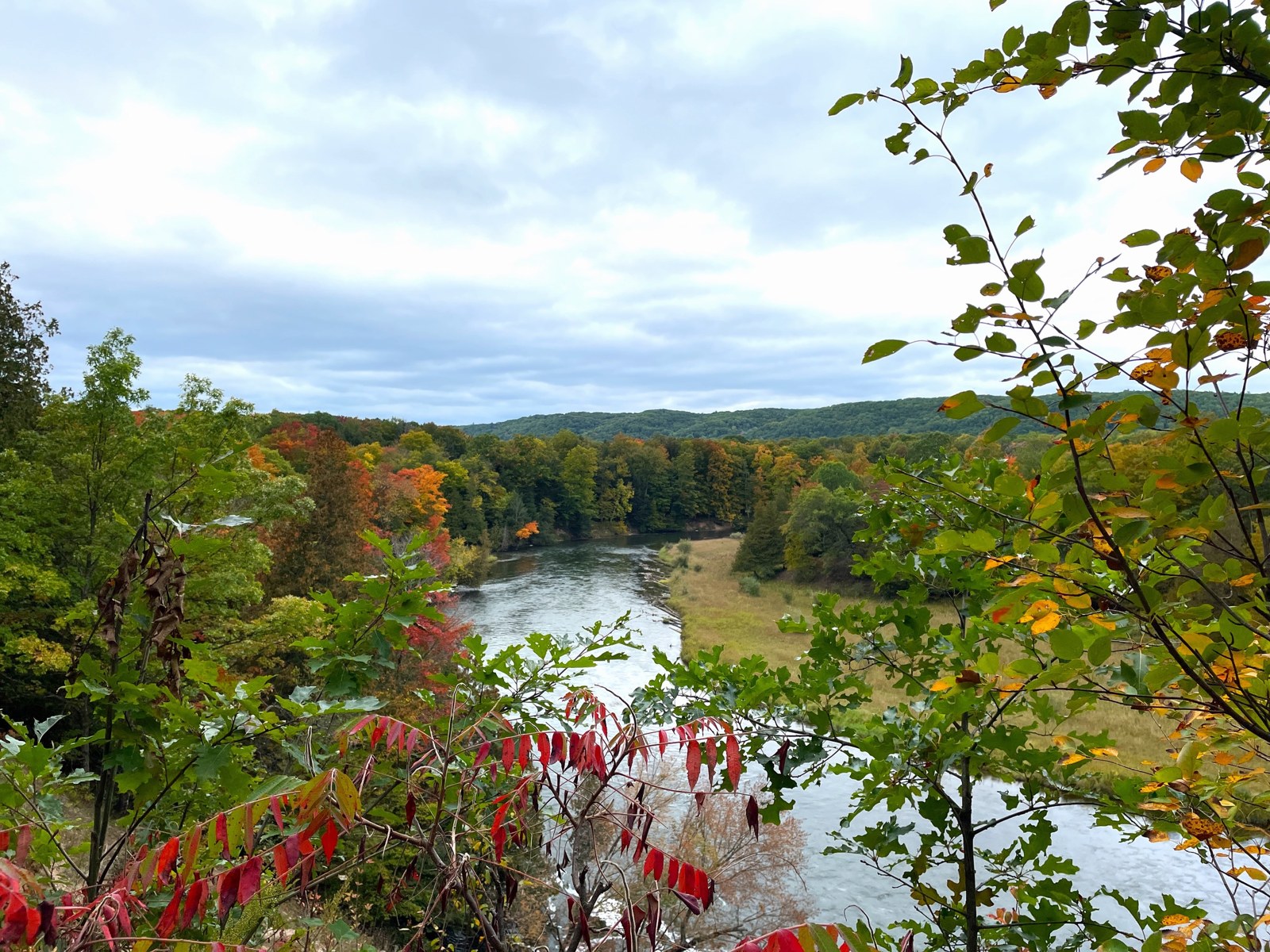
- Warm, humid, wooded trails (like many eastern forest trails in summer): an umbrella, maybe with a light jacket in the pack for wind and cold.
- Mild weather, mostly below treeline, on a tight budget: a poncho or the Frogg Toggs suit will do the job.
- Mixed conditions, wind, or trips above treeline: a budget shell, at minimum.
- Cold rain or long stretches of exposed, stormy terrain: this is where a better shell earns its price, and the earlier post covers who should pay for one.
Two can also work together. Treeline notes an umbrella works alongside a rain jacket and pants, and that pairing covers a lot of ground.
The picks
These come from independent testers’ published reviews. Each one has a catch, so read the catches.
Marmot PreCip Eco
The Marmot PreCip Eco is the budget shell for most backpackers on most summer trips. CleverHiker says it “offers reasonable protection at a decent price.” OutdoorGearLab measured it at 10.3 ounces and says that “For being such a lightweight and affordable jacket, the Marmot Precip Eco offers great water resistance.” It also has pit zips and what OutdoorGearLab calls “one of our favorite hood designs.”
The catch: CleverHiker found it wets through faster than other jackets it tested and holds onto sweat, and it says the jacket is “best suited for misty days with light rain.” OutdoorGearLab “wouldn’t recommend it for sustained severe rainstorms,” and found the liner showed wear quickly.
Frogg Toggs Ultra-Lite2 Rain Suit
This is the classic bargain-bin rain suit, and it’s popular for a reason. Backpackers.com lists the jacket at 5.5 ounces in a men’s small and says “This plastic shell keeps the water out,” including through a thunderstorm in its testing.
The catch: Durability. Backpackers.com says there’s “absolutely no durability,” and SectionHiker’s Philip Werner says the jacket “tends to get cut up quickly when it comes into contact with branches, shrubbery, or high grass.” Both say it runs very large; Backpackers.com suggests sizing down one or two sizes. The only vent is the front zipper.
Six Moon Designs Silver Shadow
Treeline Review names the Silver Shadow its best hiking umbrella overall, a “workhorse umbrella” for sun, wind and rain. “In the wind, it stays in the open position without flipping inside out,” the review says, and in Treeline’s lab testing, the temperature under it differed by up to 15 degrees.
The catch: At 8.9 ounces, Treeline calls it “one of the heaviest umbrellas we tested,” and it doesn’t fold down as small as a collapsible model. Treeline’s lighter pick, the Gossamer Gear Lightrek, isn’t linked here because an Amazon listing couldn’t be confirmed.
Repel Windproof Travel Umbrella
Treeline Review calls the Repel “the most durable umbrella we tested” and names it best for wind. It has a vented canopy, fiberglass ribs and a lifetime warranty, and the maker says it’s built to withstand 50 mph winds.
The catch: It’s heavy for a hiking umbrella, about a pound by Treeline’s numbers, with a steel shaft. Skurka mentioned it back in 2017 as a riskier choice, since it’s hard to judge backpacking reliability from specs and reviews.
Six Moon Designs Silver Shadow Mini
If a full-length umbrella poking out of your pack sounds like a branch magnet, the Silver Shadow Mini is Treeline’s best collapsible pick. It weighs 6.8 ounces and folds to about 10 inches. “Compact size means it can be carried anywhere,” Treeline says.
The catch: Treeline’s testers found the full-size Silver Shadow “far less likely to flip” than the collapsible one, and the shaft is shorter.
The bottom line
For most summer backpacking, the Marmot PreCip Eco does the job of a far pricier shell, as long as you don’t expect it to handle days of hard rain. On a tight budget, the Frogg Toggs Ultra-Lite2 keeps the water out if you treat it gently. On warm, muggy, wooded trails, add an umbrella, and put it away when the thunder starts.